

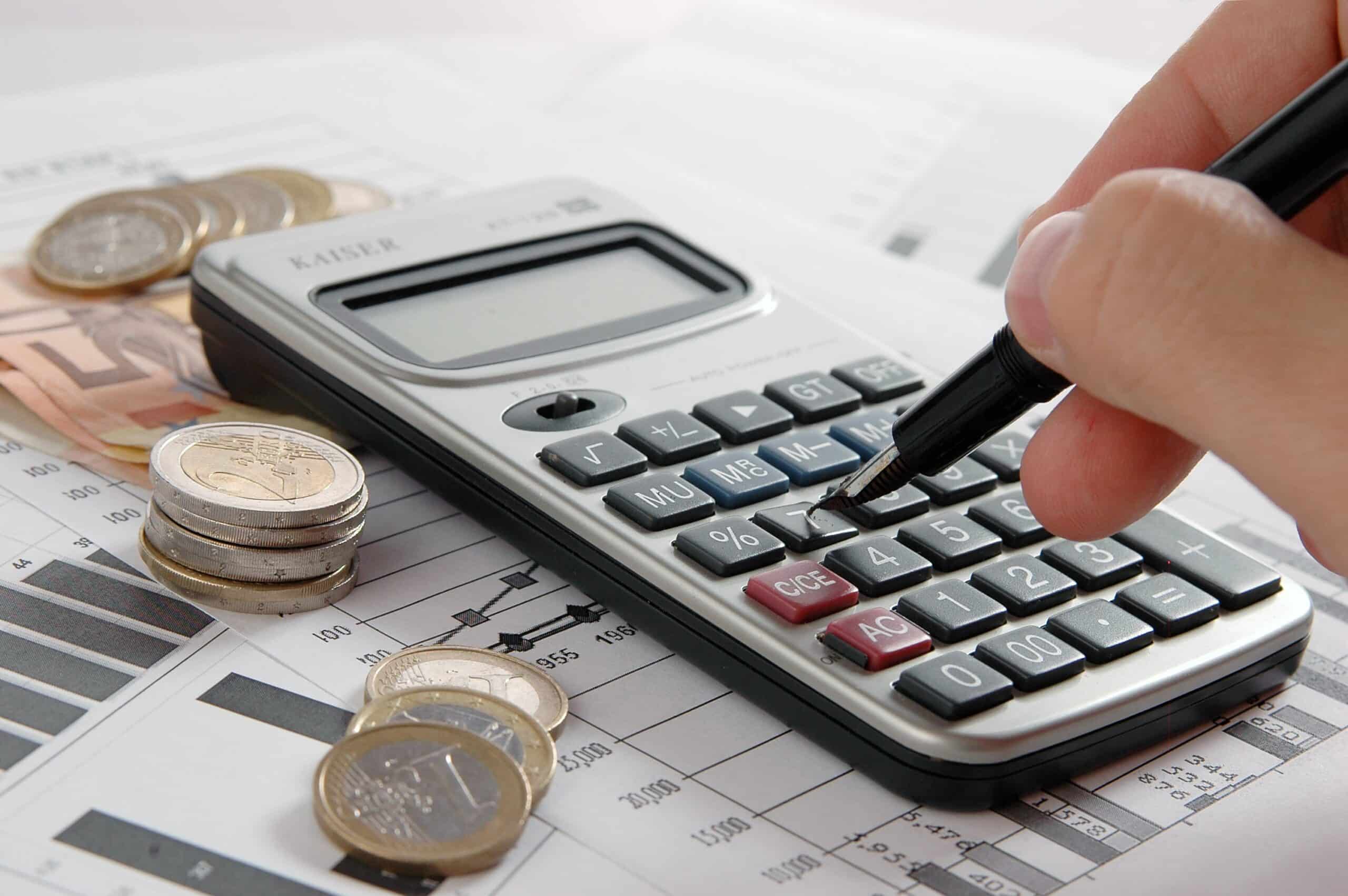
It does not matter what type of business you run, whether it is a large company or a small one, having an energy budget is important. This is especially true in a day and age where there is mounting pressure on companies to reduce their carbon footprint.
Article at a glance
- Energy budget development helps manage costs and forecast expenditures.
- Key components include market studies, consumption analysis, and utility bill audits.
- Factors like contract expirations and utility rate increases must be considered.
- Energy consultants can identify cost-saving opportunities and tax incentives.
It does not matter what type of business you run, whether a large company or a small one; having an energy budget is important. Companies today face increasing pressure to reduce their carbon footprint. Beyond controlling costs, an energy budget strengthens business resilience, supports sustainability goals, and positions your company for long-term growth in a competitive market.
This article outlines what you need to know about energy budgets for business, including what goes into an energy budget, how to develop a reliable budget, and more.
What Is Energy Budget Development?
Energy costs can represent a significant portion of a business’s operating expenses. You should develop a budget to improve efficiency and help forecast and manage expenditures.
Effective energy budget development involves looking at the bigger picture and considering the variables that could impact how you buy energy and use energy. These variables include changes within your business operations, increased service rates, and market volatility. If you don’t have an energy budget, overspending can be easy.
Why Your Business Needs An Energy Budget
Reduce Carbon Footprint & Meet Sustainability Goals
An energy budget doesn’t just save money—it also helps your business reduce its carbon footprint. You can spot opportunities to cut waste, upgrade to energy-efficient equipment, or shift toward renewable energy sources by tracking your energy use. These efforts lower emissions and show your commitment to sustainability, which matters to customers and stakeholders alike.
Gain a Competitive Advantage
Companies that manage their energy wisely stand out in the marketplace. A clear energy budget helps you offer stable pricing, maintain predictable operating costs, and show leadership in sustainability. This competitive edge builds trust with investors and attracts customers who want to support forward-thinking businesses.
Engage Employees in Energy-Saving Efforts
Employees play a significant role in energy efficiency. A budget gives your team clear goals and makes getting everyone involved in energy-saving habits easier. From simple steps like turning off unused equipment to suggesting process improvements, employee engagement helps reinforce your company’s commitment to cutting costs and protecting the environment.
Predict Future Energy Usage More Accurately
An energy budget allows you to forecast future usage with greater accuracy. By looking at past patterns and market trends, you can anticipate changes in demand and prepare for them before they happen. This planning reduces waste, strengthens operations, and makes your business more resilient to unexpected shifts in the energy market.
Stay Compliant with Regulations
Energy rules and requirements change quickly, and failing to meet them can cost your business. A strong budget keeps you on track with reporting, environmental standards, and regulatory updates. By planning, you avoid penalties and position your company as one that stays ahead of compliance issues.
Improve Operations & Productivity
Budgeting highlights inefficiencies that might otherwise go unnoticed. Whether upgrading to energy-efficient equipment, adjusting production schedules, or improving facility management, these changes lower costs and improve overall productivity and working conditions.
Strengthen Your Brand & Reputation
Today’s customers and investors pay close attention to how businesses handle sustainability. A clear energy budget supports ESG reporting, demonstrates responsible leadership, and enhances your brand reputation. Being known as an efficient and eco-conscious company helps you build trust and long-term loyalty.
How To Develop A Reliable Energy Budget
Creating a reliable energy budget requires a structured approach. You can break the process down into four key components.
1. Energy Market Study
The first step is to evaluate the energy market in your region. Look at costs, rate trends, and any local changes affecting your supply. It gives you a complete picture of the environment your business is operating in.
2. Energy Consumption Analysis
Next, analyze how your business currently uses energy. Consider:
- Are you operating in the most energy-efficient way?
- Where can improvements be made?
- Which processes consume the most energy?
- How much energy are you wasting?
This step ensures you understand your actual usage patterns before setting a budget.
3. Utility Bill Audit
A detailed review of your utility bills is critical. Break down the charges to see what you’re really paying for. Ask yourself:
- Are you overpaying?
- What charges are included?
- How are costs divided across different accounts or facilities?
This audit helps you uncover errors, hidden fees, or opportunities for savings.
4. Energy Budget Development
With the data gathered, you can now build a reliable energy budget. It involves:
- Setting baselines for past energy use.
- Forecasting future needs based on operations.
- Running “what-if” scenarios to prepare for price changes or usage spikes.
By combining these steps, you’ll create a budget that keeps costs under control while preparing your business for market volatility.
Additional Read: The Importance Of Utility And Energy Bill Audits For Businesses
Hidden Costs to Watch for in Your Energy Budget
When building an energy budget, many companies miss hidden costs. To make sure your budget is accurate, include the following:
Facility & Operations
Changes like new buildings, more production, or fewer work hours will affect energy use. Plan for these in your budget.
Contract Expirations
Energy contracts don’t usually match your fiscal year. Consider this, as costs may rise or fall during the year.
Clean Energy & Incentives
Look into tax credits or renewable energy programs. Using clean energy can lower your expenses and boost savings.
Each Energy Account
Review every energy meter separately. Small accounts often have different costs than large ones, so group them carefully.
Utility Rate Class
Your rate class decides how much you pay per month. It’s based on your usage, so knowing it is key for accuracy.
Utility Rate Increases
Utilities often request rate hikes. The final approved rates can change, so track these updates when planning.
Energy Taxes
Add all taxes and exemptions that apply to your business. Skipping them can make your budget inaccurate.
Non-Commodity Costs
Bills include more than energy, like capacity, lines, and transport fees. These also need to be in your budget.
Pair With Efficiency Efforts
Combine your budget with efficiency steps—like equipment upgrades, employee programs, or audits—to cut costs further.
How An Energy Consultant Can Help
Working with an energy consultant can make building an adequate budget simpler and more impactful. Here’s how they add value:
- Conduct detailed audits to review energy use and utility bills.
- Identify inefficiencies and suggest cost-cutting opportunities.
- Provide tailored strategies based on your business needs.
- Highlight tax breaks and energy credits you might be missing.
- Align finance, operations, and sustainability teams for better decision-making.
- Integrate energy budgeting into your overall business strategy.
Additional Read: Why Hiring An Energy Consultant Could Save You Money In The Long Run
Case Study: Liebovich Steel And Aluminum Energy Cost Savings
The Problem
Liebovich Steel and Aluminum faced unpredictable swings in electricity costs caused by market volatility and weather changes. For 18 months, their energy supplier provided little direction, leaving the company without a reliable strategy to control expenses.
The Solution
Liebovich partnered with Navigate Power, which thoroughly reviewed their energy history and service agreements. Our team helped them:
- Secure a 36-month multi-hedged fixed-rate electricity contract for long-term stability.
- Negotiating a 16-month fixed-rate natural gas agreement was especially important since natural gas is vital to their production process.
The Result
These agreements significantly lowered Liebovich’s energy costs, protected them from market swings, and ensured long-term savings.
Why It Matters for Your Business
A strong energy budget isn’t just about lowering bills—it can also support financing, improve ESG reporting, and enhance your company’s reputation as a forward-thinking business.
No matter your industry, working with an energy consultant ensures you’re using energy wisely, cutting costs, and planning for a stable future. At Navigate Power, we’ll analyze your usage, create a clear energy budget, and design strategies that help your business thrive.
About Navigate Power
Navigate Power is a leading electricity and natural gas consulting firm, headquartered in Chicago, IL. Ranked no. 550 in 2017 and no. 856 on the 2018 Inc. 5000 list as one of the fastest-growing companies in the nation, Navigate Power continues to expand into new markets nationwide and currently manages over 30,000 commercial energy accounts and over one billion dollars in energy budgets.